
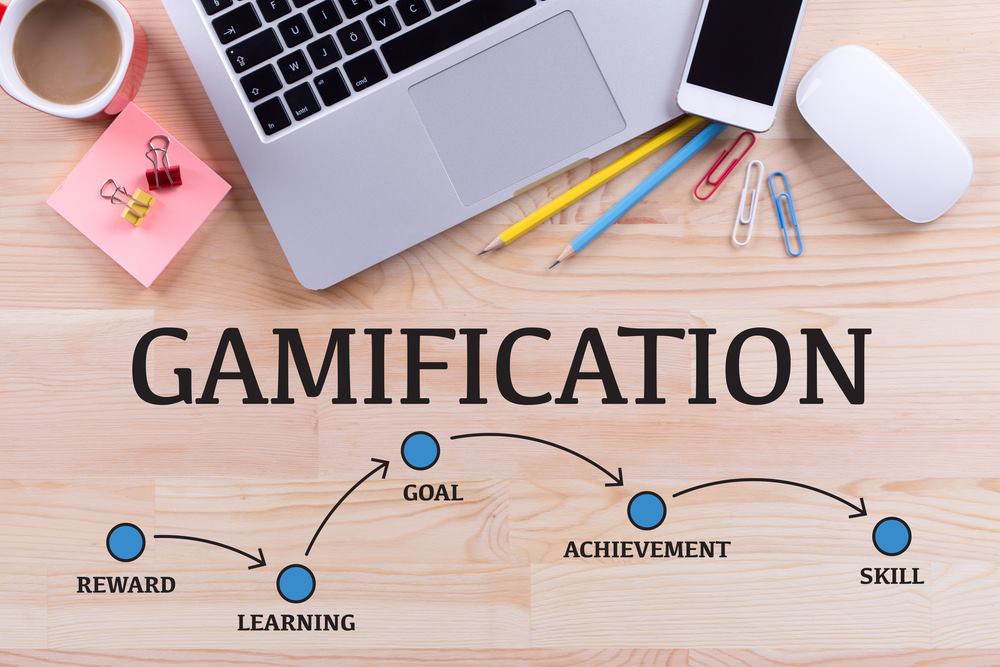
Leaderboards are the “bread and butter” of corporate gamification. They are designed to instill friendly competition and drive engagement… or do they?
If your leaderboard only tracks your “Top 10” performers, you aren’t motivating your team—you are likely demotivating the bottom 80%. When the gap between #1 and #50 feels impossible to bridge, people stop playing.
How do we fix it? Here is the evolution of Leaderboards: What Worked, What Works, and What Will Work.
1. Shift from PvP to PvE (Collaboration > Competition)
In gamification, PvP (Player vs. Player) pits colleagues against each other. In a high-context culture like Malaysia, this can sometimes feel aggressive or exclusionary.
The Future: PvE (Player vs. Environment). Instead of fighting each other, the team fights “the system” or a set goal.
- Example: “Reach a 75% collective completion rate to unlock a team reward.”
- Why it works: It fosters cooperation. High-performers are incentivized to coach others so the entire team wins.
2. Measure Progress, Not Just Performance
A Performance Leaderboard (Total Points) rarely changes at the top. A Progress Leaderboard (Weekly Growth) is a moving target that anyone can hit.
- The Strategy: Run dual leaderboards.
- Why it works: It rewards effort and tenacity, keeping the “middle-performers” engaged and hungry for improvement.
3. Get Creative with “Dimension”
Gamification should inject fun and personality into the mundane. If you only measure sales or tickets closed, you’re missing the human element.
Try niche leaderboards with personality:
- The “Tenacity Titan”: For the person with the longest streak of consistent activity.
- The “Speedy Gonzalez”: For the fastest response time to internal queries.
- The “Culture Champion”: For the person receiving the most peer-to-peer kudos.
💡 The HR Takeaway
Leaderboards are not just data tables; they are behavioral drivers. If you only reward the “Final Score,” you ignore the “Season Highlights.”
To attract and retain talent in a competitive market, expand your view of success. Gamification is most effective when everyone feels they have a fair shot at the podium.
How is your organization currently measuring success? Are you rewarding the ‘What’ or the ‘How’?
#Gamification #HRMalaysia #EmployeeEngagement #FutureOfWork #TalentRetention #Leadership #WorkplaceCulture
About The Author: Kenny Lum
More posts by Kenny Lum